






[Faculty] Professor Yoon Yong-ah’s Translation of Reading the World of Film Named a 2026 Sejong Book
- art
- Hit338
- 2026-08-31
Bringing a Landmark of World Cinema Studies to Korean Readers:
Professor Yoon Yong-ah’s Translation of Reading the World of Film Named a 2026 Sejong Book
- Translation of Mark Cousins’ influential history of cinema recognized for its contribution to film scholarship and education in Korea -
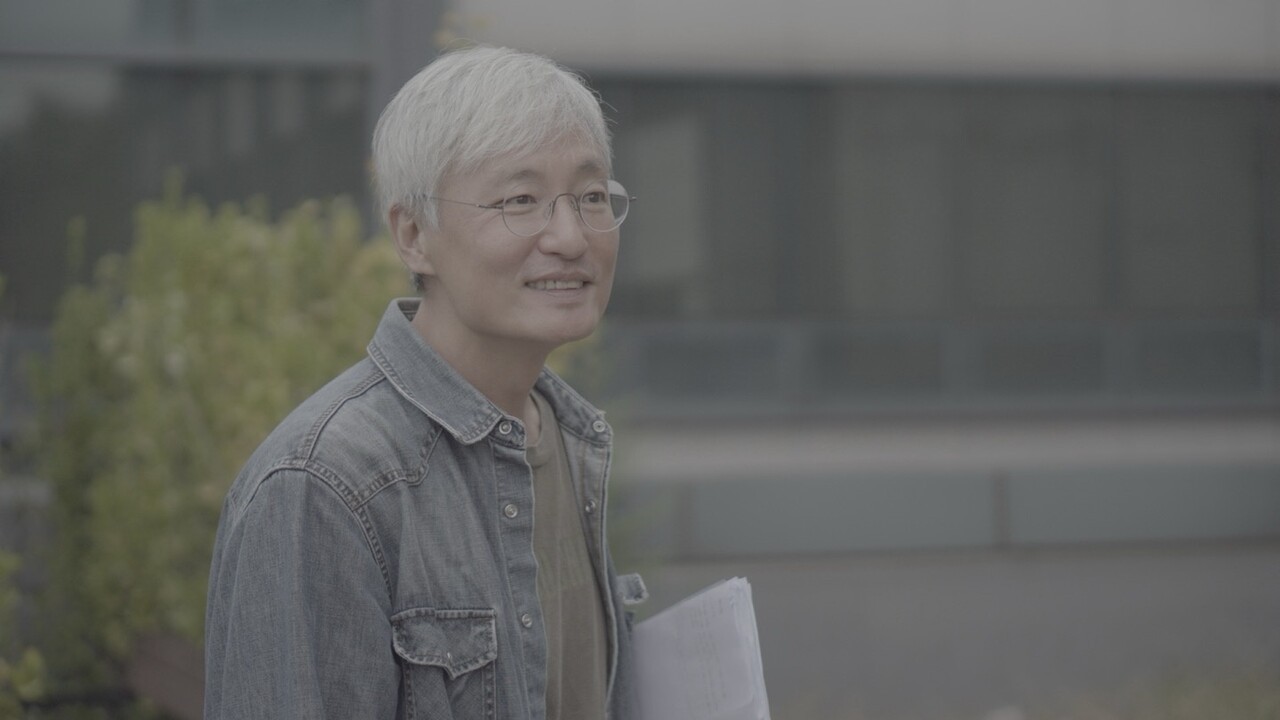
Reading the World of Film (Segye Yeonghwa Ilggi), translated into Korean by Professor Yoon Yong-ah of the Department of Acting and Performing Arts at the College of Arts, has been selected as one of the 2026 Sejong Books in the Academic Category.
The selection was announced by the Korea Publishing Industry Promotion Agency (KPIPA). A total of 2,194 books were submitted for consideration in the Academic Category this year, with 345 titles ultimately selected following a rigorous review process. Reading the World of Film was among the 16 books chosen in the Arts category.
The recognition is particularly significant because it highlights the scholarly value of translating major international academic and professional works and making them accessible to Korean readers. The Sejong Book selection process limits translated works to no more than 30 percent of the titles selected in the Academic Category, making inclusion itself a notable achievement. This year’s evaluation also emphasized the importance of high-quality translation, noting that “many precise and outstanding translations, including translations of major works, stood out” among the submissions.
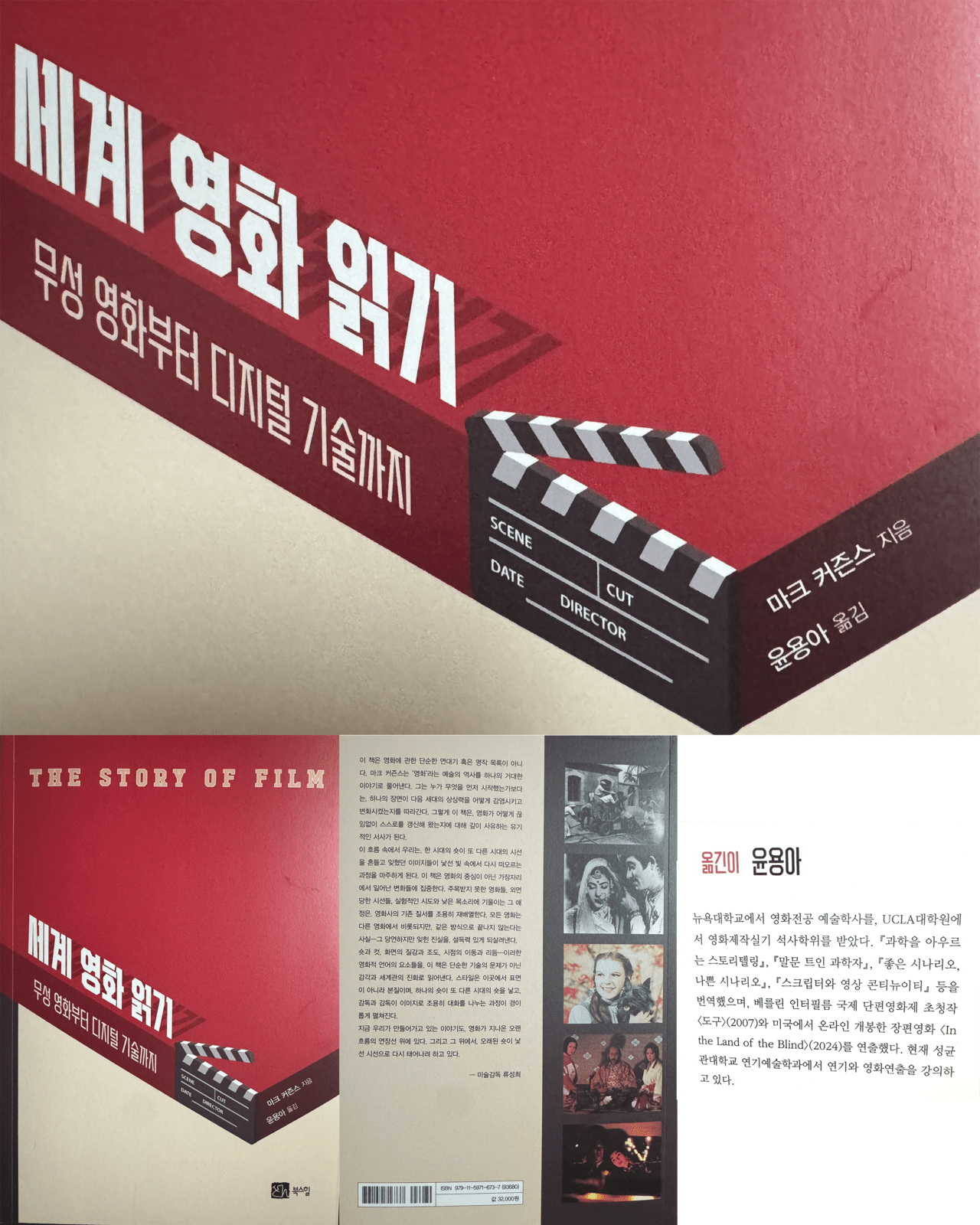
Reading the World of Film introduces Korean readers to The Story of Film, a major work by British film critic and film historian Mark Cousins.
The original work offers a sweeping account of cinema, tracing its development from the silent films of the late 19th century through the rise of sound film and into the era of digital technology and virtual reality. Rather than treating film history simply as a chronology of influential movies and filmmakers, Cousins examines the broader forces that have shaped cinema—including film movements and schools of thought, visual styles, methods of production, and changes in cinematography and editing.
The result is a multidimensional history of cinema that shows how film has evolved not only as an art form, but also as a technology, an industry, and a cultural medium.
Professor Yoon’s translation represents more than the introduction of another foreign-language film book to Korean readers. By making a major international work on the history and aesthetics of cinema available in Korean, the translation provides researchers and students in Korea with broader access to the development of world cinema and a stronger foundation for engaging with global film scholarship. The book is also particularly relevant to film and visual-media education, fields that continue to evolve alongside emerging technologies and new forms of media. By examining cinema as a continuous historical development—from its origins to the digital age—the work offers students a framework for understanding how changes in technology, production, and visual language have transformed the medium over time. Professor Yoon’s work therefore contributes not only to the accessibility of an important work of international film scholarship, but also to expanding the scope of film studies and education in Korea.